
Dimos' commitments
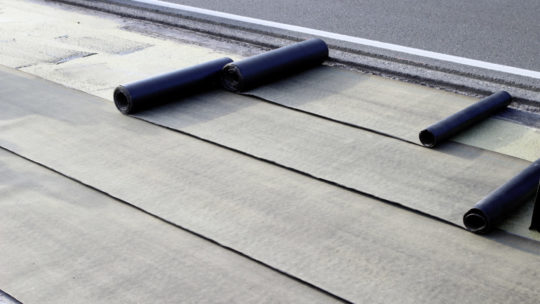
Waterproofing, a rapidly growing market
The waterproofing market is experiencing strong growth in both new construction and renovation. While flat roofs were once primarily used for large areas and multi-family buildings, they are increasingly common in single-family homes, covering all or part of the building, such as garages.
Waterproofing projects are therefore no longer reserved for specialists and it may be interesting to get into this complementary activity to take on small projects or the construction of an entire individual house.
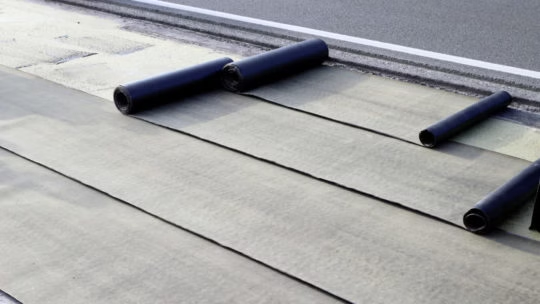
Getting started in waterproofing
Waterproofing work requires technical skills and therefore a certifying diploma: a CAP in building and public works waterproofing, a BP in building and public works waterproofing, or a BTS in building envelope or a CQP (professional qualification certificate) in waterproofing.
If you wish to start this activity, it is therefore necessary to recruit a qualified person or to undergo training.

Waterproofing equipment
Performing the welding requires flame welding equipment (blowtorch) or hot air welding equipment (hot air gun or welding robot) and accessories such as pressure rollers.
You will also need pliers, shears and hand tools for completing the zinc finishes.
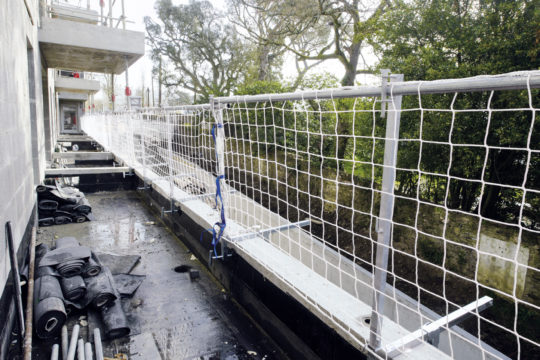
The work area must be protected by guardrails complying with standard NF P93-355: high rails, safety nets and metal posts anchored every 1.5m maximum using reversible clamps or suitable supports.
Our latest articles