
Dimos' commitments
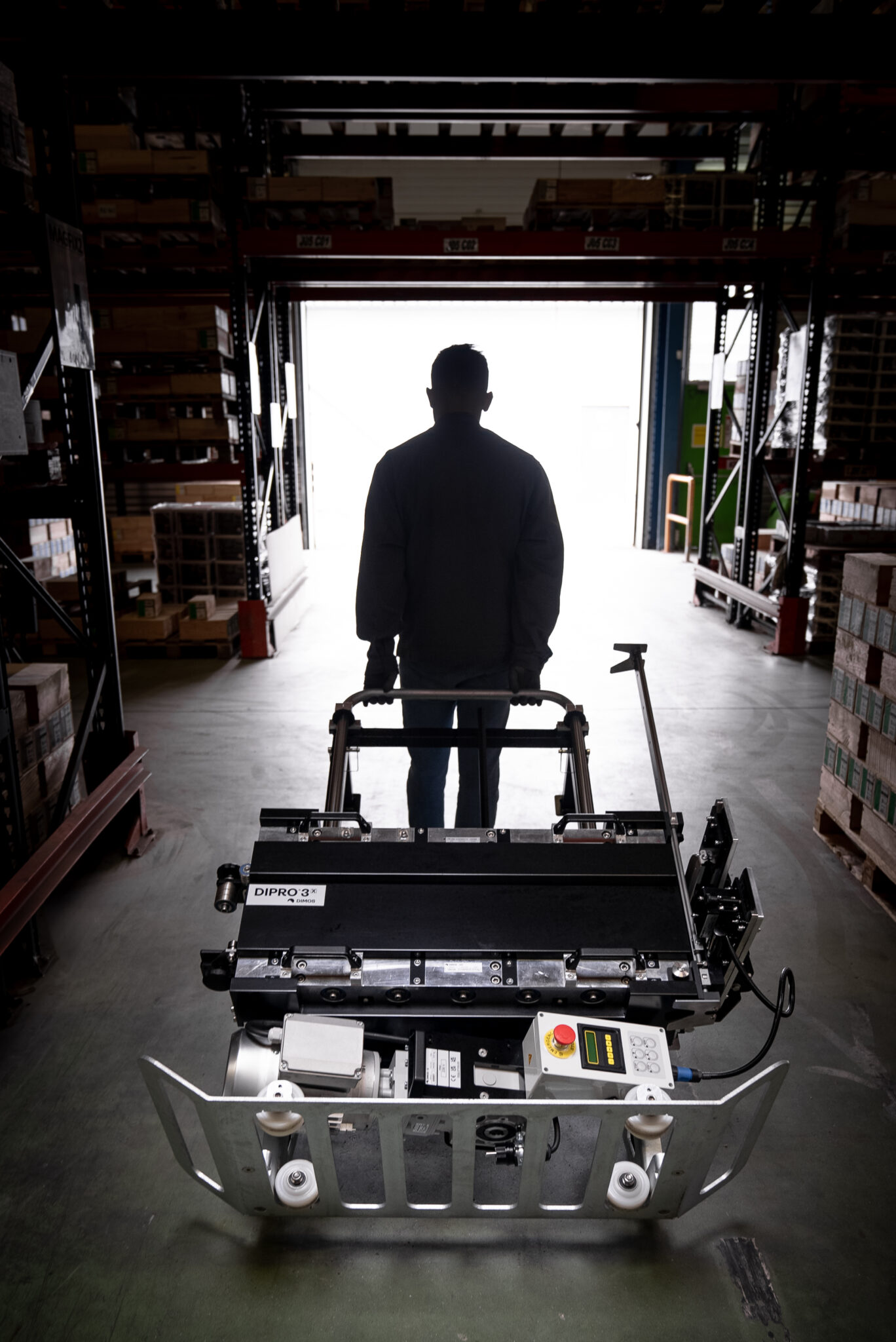
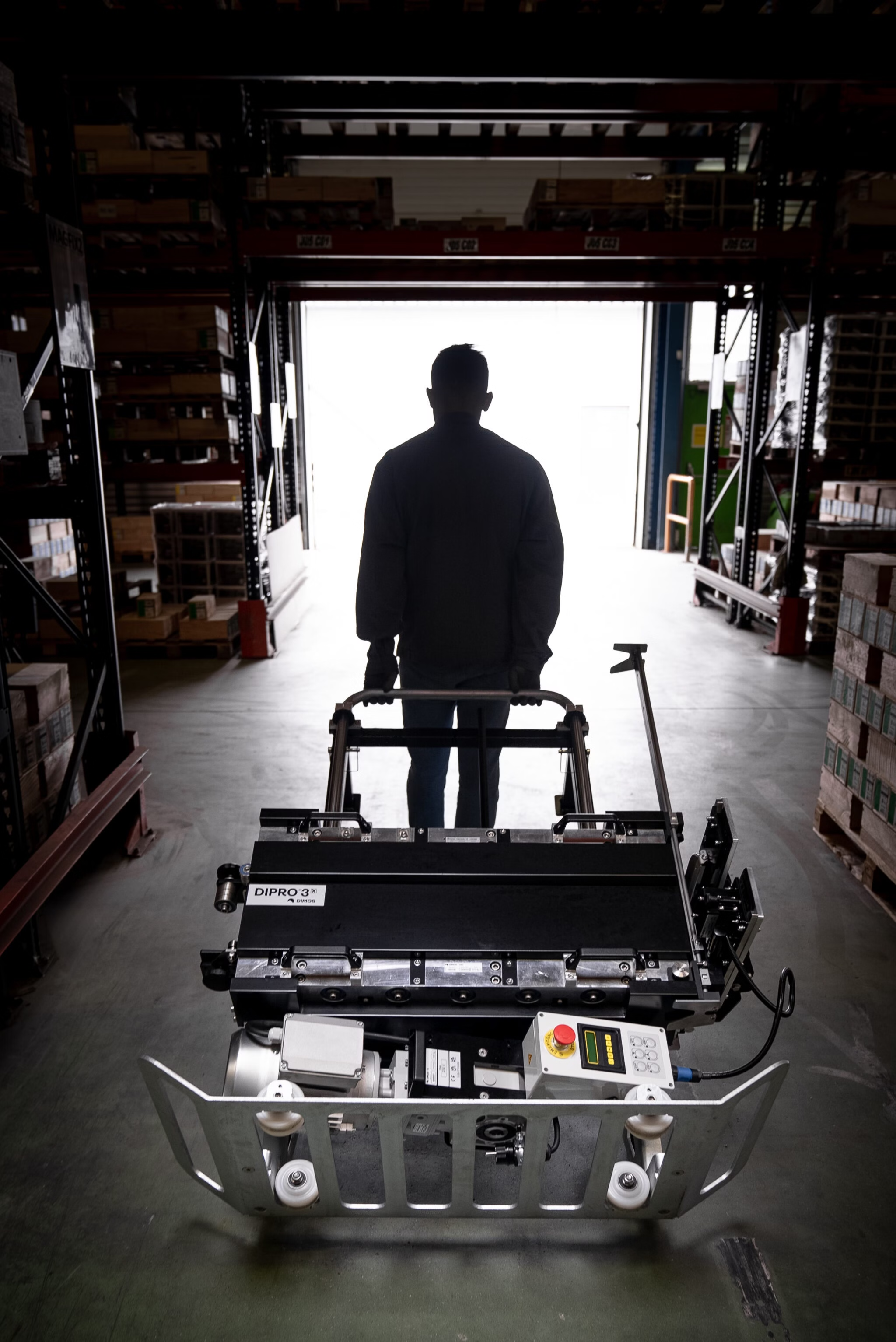
Whether for roofing or cladding, standing seam metal roofing is increasingly popular. However, its installation requires specific expertise and equipment: Dimos can help you take the plunge.
A booming market
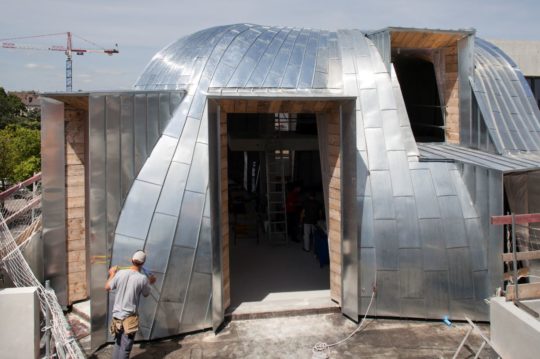
Metal roofing is one of the most promising markets in the roofing . For over two decades, metal roofs have flourished throughout Europe and the world. This trend, initially very localized and limited to certain experts, has since become widely accessible.
Architects favor metal roofs because they offer a wide variety of materials (zinc, copper, but also aluminum, steel or stainless steel and many others), shapes (curved and other complex shapes) and above all colors, with an almost infinite palette: each private or collective dwelling could soon be totally unique.
This development is accelerating further with the rise of cladding, an activity experiencing strong growth for both new construction and renovation.
Getting into standing joints
Starting a standing seam metal roofing business requires a good understanding of the installation technique, either through training or by recruiting a new resource.
With proper organization, this type of roofing allows for almost everything to be prepared in the workshop. Once on site, only installation and some finishing touches remain. While it allows for planning ahead, the layout plan then becomes particularly important.
Standing seam equipment
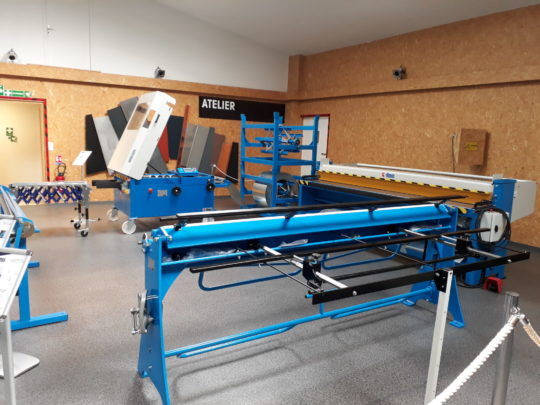
Equipment in terms of tools and machines is essential in the standing seam business in order to gain productivity and quality of finished work.
It's possible to buy pre-formed trays from your supplier or distributor, but this requires great precision in preparing and measuring the work site. It quickly becomes more cost-effective to invest in a roll forming machine; the most sophisticated models, like the DIPRO P7200, can even handle complete runs to prepare an entire roof.
The standing seam roofing trade requires a large number of tools, sometimes very specific, because the finishes are very numerous and require dexterity and precision so that the visual appearance of the roof is always satisfactory for the end customer.
Our latest articles