
Dimos' commitments
General Regulations for Working at Height
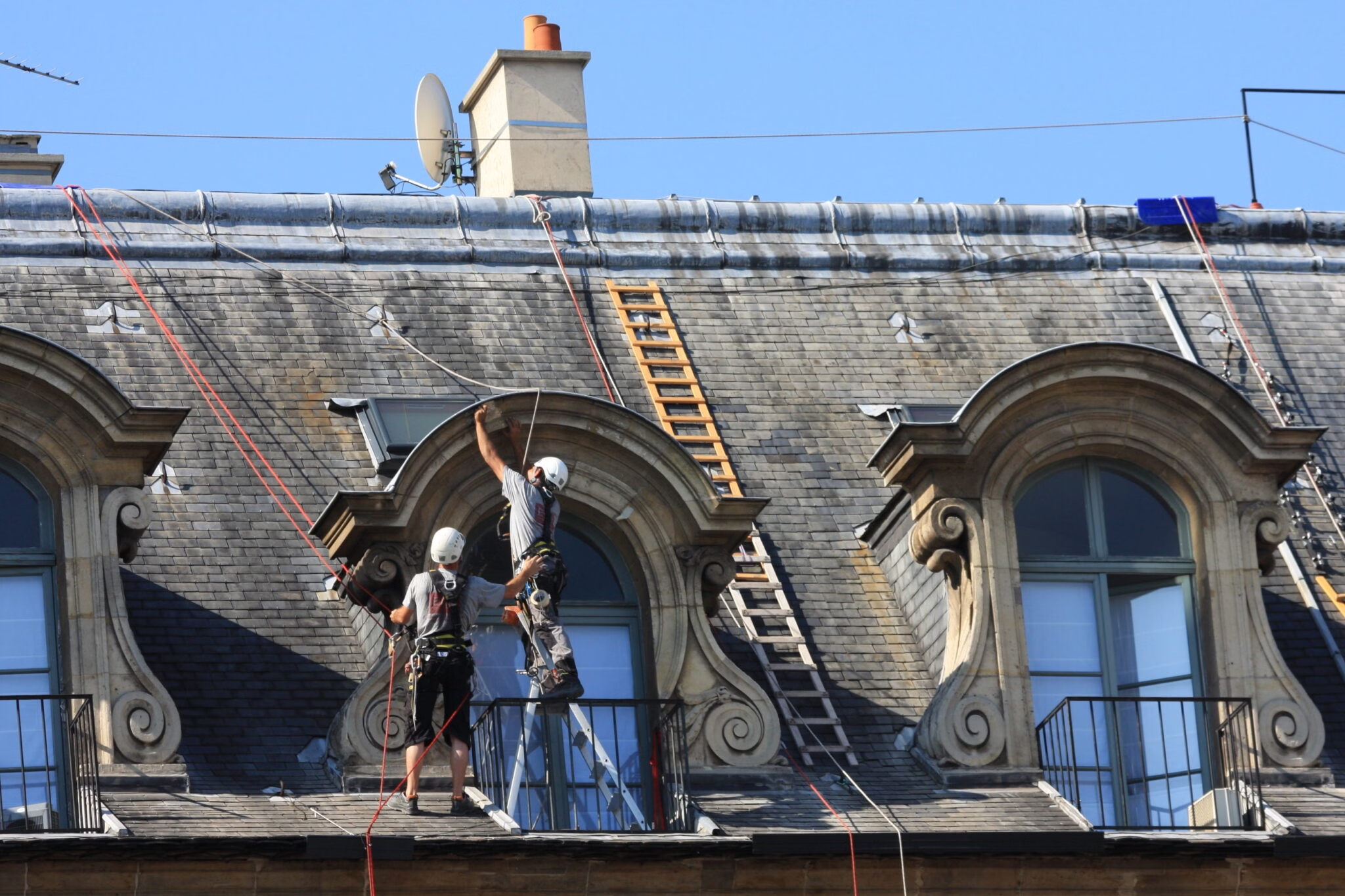
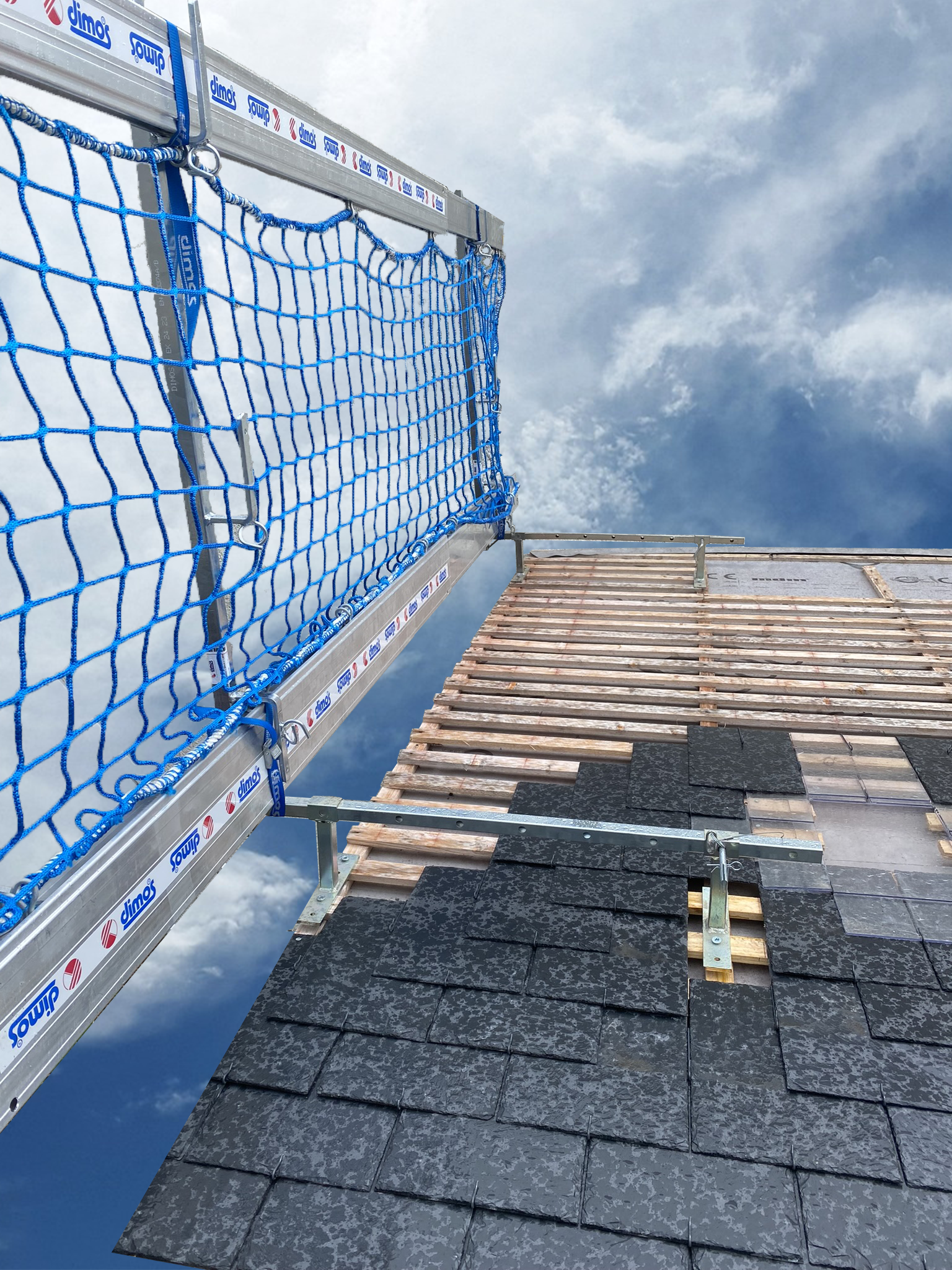
In France, working at height is strictly regulated to protect the health and safety of workers. Article R4323-58 of the French Labor Code mandates that any temporary work at height must be carried out on a work platform designed, installed, or equipped to prevent the risk of falls. This includes the use of appropriate equipment, such as scaffolding, lifting platforms, or anchoring systems, which must be inspected and comply with current standards. These devices guarantee not only the safety but also the stability of workers while they perform their tasks.
Workplace Layout
According to article R4323-59, workstations at height must be ergonomically designed to allow workers to perform their tasks in good conditions. This implies a design that reduces uncomfortable or dangerous postures and promotes smooth movement on the worksite. The objective is to minimize unnecessary physical exertion and prevent injuries related to unsuitable working positions.

Safety and Traffic Management at Workstations
Article R4323-67 emphasizes safe movement in areas where work is carried out at height. It stipulates that passageways and access points must be designed to prevent any risk of falls. Passageways must be clear and wide enough to allow safe movement, even when used to transport tools or equipment. This measure is essential to prevent accidents related to movement on elevated worksites.
Weather and Environmental Conditions
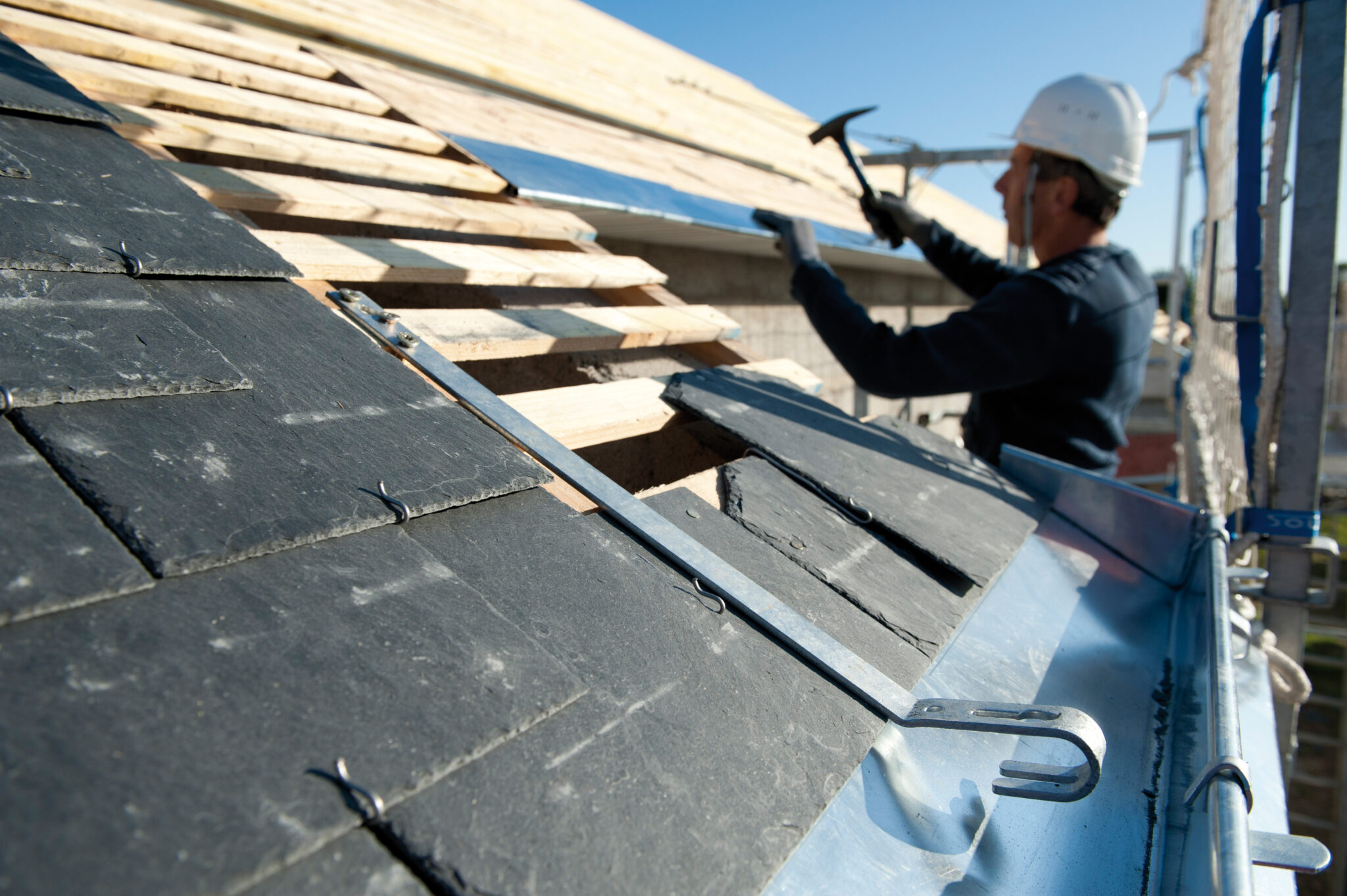
Temporary work at height must be suspended if weather or environmental conditions compromise worker safety, as specified in Article R4323-68. Strong winds, rain, ice, or extreme temperatures are all factors that increase the risk of falls or loss of control. The employer is required to assess these risks and take the necessary measures to protect their teams.
Our latest articles