
Dimos' commitments
The Importance of Standards for Equipment for Working at Height
Product standards are essential to ensuring the safety of workers operating at height. These standards govern the design, manufacture, and use of equipment such as scaffolding, platforms, ladders, and lifelines. Each product must meet strict criteria for strength, durability, and performance to ensure optimal protection against fall hazards.

European and International Standards
Equipment for working at height must comply with European standards, such as EN standards, or international regulations. These standards define the minimum technical requirements, particularly in terms of load capacity, weather resistance, and the safety of anchoring devices. For example, portable ladders must meet the EN 131 standard, which imposes specific criteria for stability and strength.
Certification and Quality Controls
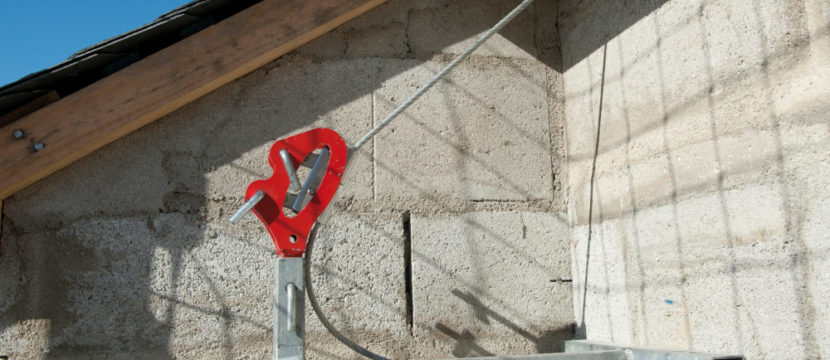
Products designed for working at height are subject to rigorous certification processes carried out by accredited bodies. These certifications attest to their compliance with applicable standards. In addition, manufacturers must perform regular quality checks to verify that each piece of equipment maintains its performance throughout its lifespan. This ensures consistent product reliability in the field.
Training in the Use of Standardized Equipment
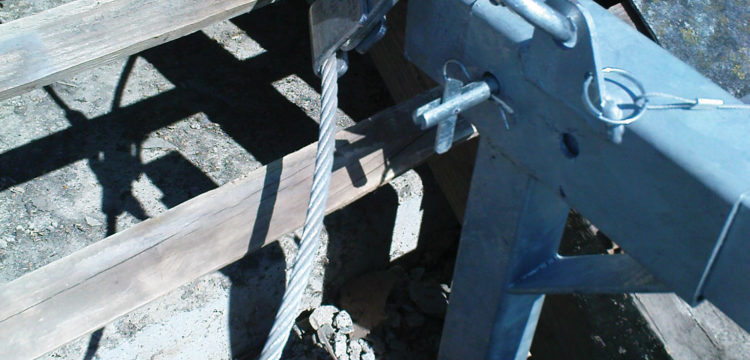
Equipment compliance is not enough: proper use is crucial to ensuring safety. Employers are responsible for training their teams to correctly use standardized equipment. This training includes prior equipment checks, installation and maintenance, as well as precautions to be taken in the workplace.
Standards to Protect Workers and Reduce Risks
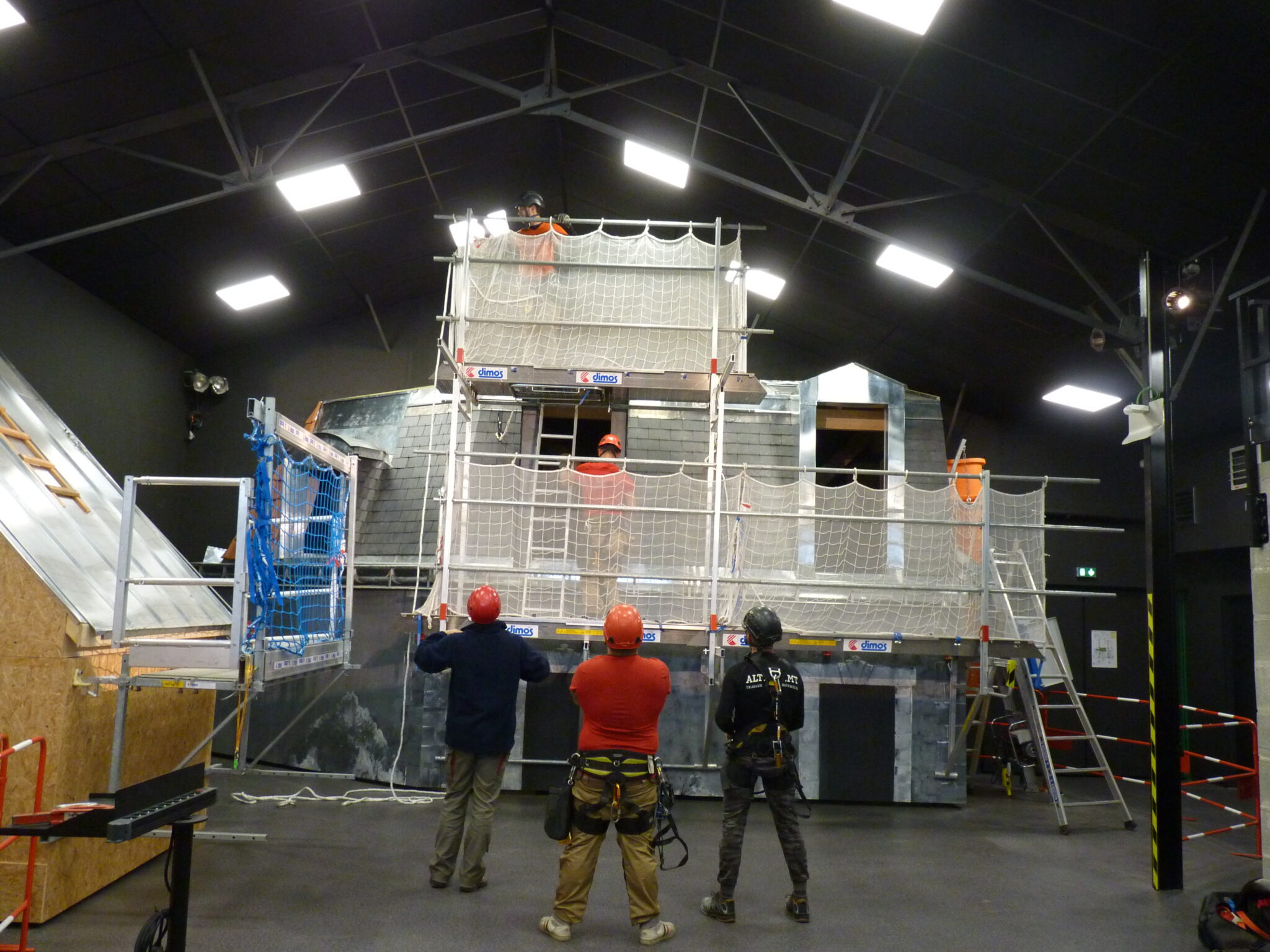
Adhering to product standards significantly reduces accidents related to working at height. By choosing compliant equipment, ensuring its maintenance, and training users, companies equip themselves with the necessary means to prevent risks and guarantee safety on their worksites.
Our latest articles