
Planet Roofer
A strong commitment to sorting and recycling
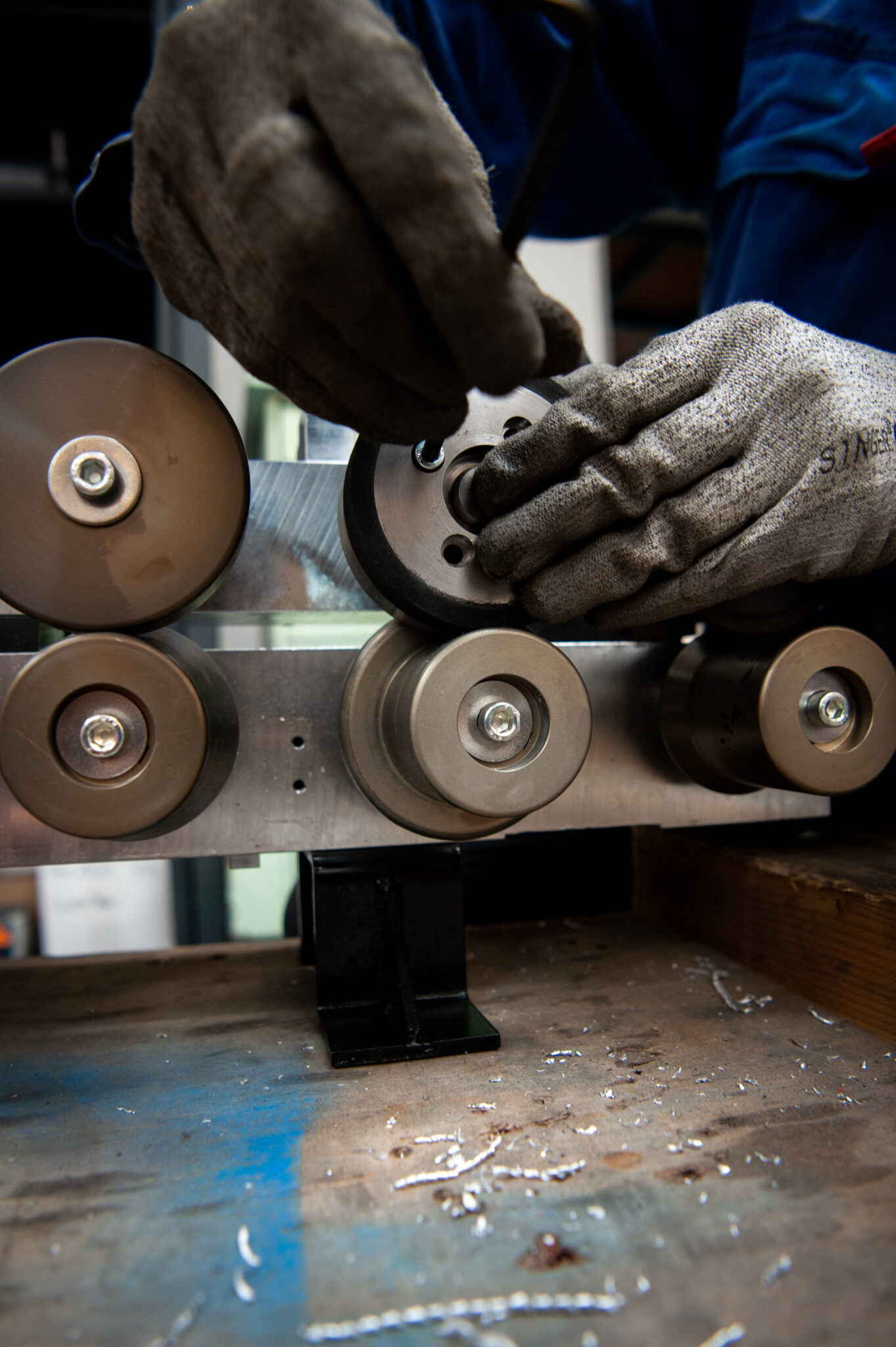
At Dimos, we are committed to reducing our environmental impact and actively contributing to the preservation of our planet. The Triman program is part of this approach and reflects our commitments to corporate social responsibility (CSR).
At Triman, we implement rigorous waste management practices across all our operations. This includes:
Waste sorting: All materials used, from cardboard and plastics to metals, are sorted for recycling through the appropriate channels. Waste
reduction: We optimize our production processes to minimize waste.
Material recovery: Whenever possible, we prioritize the reuse and recycling of raw materials.
CSR commitments at the heart of our strategy
Our responsibility goes beyond simply managing waste. Our CSR commitments are structured around three main pillars:
Environment:
Reducing our carbon footprint through energy efficiency and the use of sustainable materials.
Developing eco-designed products to minimize their environmental impact throughout their life cycle.
Social:
Raising awareness among our employees and partners about environmentally friendly practices.
Promoting well-being at work with initiatives that support health, safety, and work-life balance.
Circular Economy:
Collaborating with local partners to stimulate local economies and reduce the environmental costs associated with transportation.
Participating in industrial initiatives that promote the recycling and reuse of materials.

A measurable impact
Thanks to Triman and our CSR commitments, we have already achieved concrete results:
a significant reduction in non-recyclable waste,
improved recovery of used materials, and
increased collective awareness among our teams and partners.
Together for a sustainable future
At Dimos, we firmly believe that every action counts. With Triman and our CSR approach, we demonstrate that it is possible to combine industrial performance with respect for the environment. We invite our customers, employees, and partners to join this movement for a sustainable future.
Join us in this endeavor: together, we make a difference.
The Use of Personal Protective Equipment (PPE)
When collective protective measures, such as guardrails or safety nets, cannot be implemented, Article R4323-91 requires employers to provide appropriate personal protective equipment (PPE). This equipment, such as safety harnesses, must comply with standards, be regularly maintained, and be used correctly by workers. Awareness and training in the use of PPE are essential to ensure its effectiveness.
By complying with these various legal obligations, companies ensure the safety of their teams while adhering to current regulations, thus significantly reducing accidents related to working at height.

Our latest articles